
Course Overview
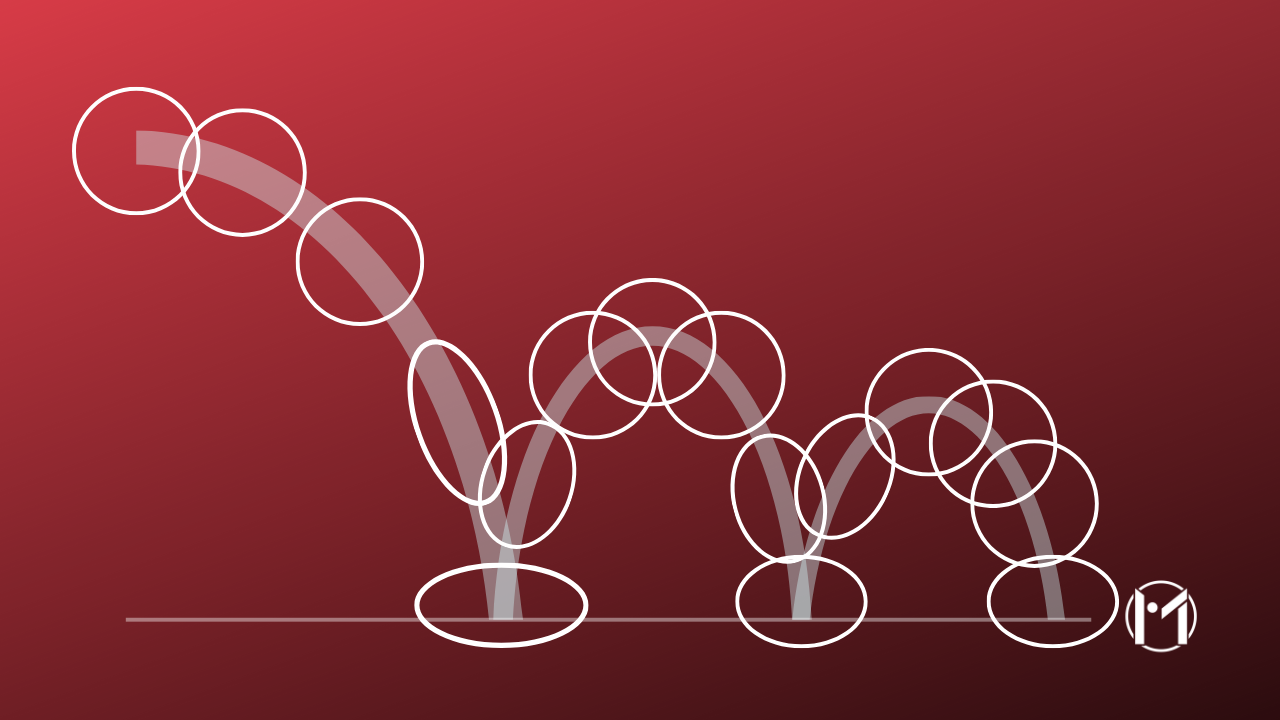
Understanding principles that translate sequential images into action to make animation believable • Understanding properties of matter • Making use of the wave principle, delayed secondary action, slow and fast action impact , speed, weight, tendency of weight to move in a certain way, recoil effects, squash and stretch related to weight, overlapping action, follow through • Animating force acting on objects , object weight, construction, flexibility, object behavior when force acts on them • Principles of Timing • Gaining an insight into the invisible concept of time in nature • Understanding the basic unit of time in animation • Emphasizing the difference between caricature, drama, humor • Timing governing acting and movement • The use of anticipation, action, reaction • Methods of doping, writing exposure sheets, bar sheets • Planning accents, beats, scene timing, spacing of drawings, holds, easing in and out • Animating to music • Principles of Movement • Understanding the meaning of movement and movement in nature and what movement expresses • Awareness of how mood and feeling can be conveyed through movement and animate and inanimate object behavior • Examining the laws of motion in the context of animation; cause and effect, thrown objects, rotating, force, oscillating movement, friction, resistance • Studying the tendency of weight to move in a particular manner • Simplification and exaggeration of movement.
| Total Credits | 6.0 |
| Type | Theory |
| Lecture | 2.0 |
| Practical | 2.0 |
| Half Semester | N |
| Text Reference | Harold Whitaker and John Halas, Timing for Animation, Focal Press; 2 edition (2 September 2009)302225 Preston Blair, Cartoon Animation, Walter Foster Publishing Inc., CA 1995302225 Edited by Peter Hames, Dark Alchemy, The Films of Jan Savankmajer, Greenwood Press, 15 August 1995302225 John Culhane, Disney302222s Aladdin 302226 The Making of an Animated Film Hyperion, Disney Editions; Reprint edition (2 September 1993) |
About Instructor

Prof. Shilpa Ranade